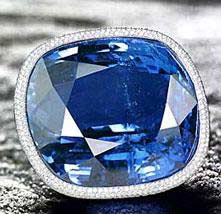
1. Giant of the orient
Giant blue sapphire reportedly found near Adams Peak in Sri Lanka in 1902. A leading exporter at the time purchased the rough weighed more than 600 carats. It was transformed into a 466 ct impressive cornflower-hued cushion cut blue sapphire, one of the rarest and largest of its kind at the time. With full saturation intense medium blue color, the stone was valued at $7000 back in 1902 and later sold to an anonymous American private collector in 1907.
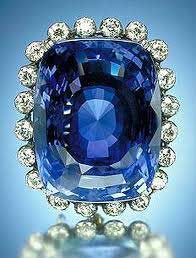
2. Logan Blue Sapphire
Rich, internally flawless blue sapphire weighing 423 ct, perhaps the second largest blue sapphire in the world. Originally found and cut in Sri Lanka, this cushion-cut sapphire is accompanied by 20 white diamonds. The stone exhibits a violet overtone, naturally occurring with no evidence of heat treatment. Presently displayed at the Smithsonian Institution's Natural Museum of Natural History.
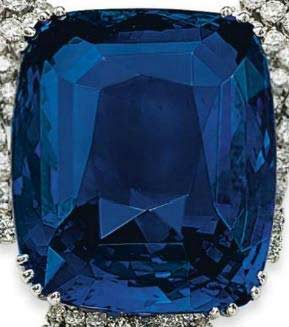
3. Blue Bella of Asia
The Blue Bella of Asia is a 400 ct highly desirable cornflower Blue sapphire said to have been found in a paddy field in Ratnapura in 1926. The word "belle" refers to its extraordinary beauty. Once owned by Lord Nuffield of Britain, it reappeared in Geneva at Christie's Auction recut to 395.52 carats and mounted to a diamond necklace. It sold for $17.29 Million, the highest price ever for a sapphire at an auction in 2014.
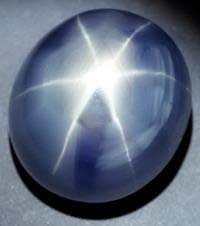
4. Star of Lanka
A grayish-blue star sapphire weighing 193 carats discovered in the 20th century in Sri Lanka. It is a milky blue sapphire with distinct six-rayed stars. The stone has an oval, cabochon high-domed cut which parades a distinct pattern of rays. Originally owned by Allan Kaplan, it was sold to the Royal Ontario Museum in 1958.

5. Pride of Sri Lanka
This gigantic 856 ct deep blue sapphire was reportedly mined in Marapanna, near Ratnapura, in 1998. It is considered one of the largest record blue sapphires found in Sri Lanka. It represents the pride of Sri Lanka for contributing such large sapphires to the world.
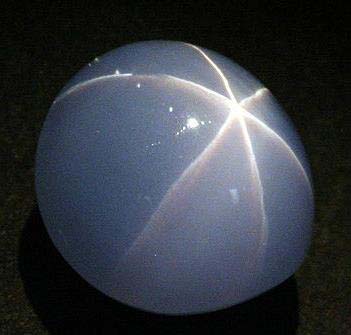
6. Grayish Blue Star of India
One of the largest grayish blue Star sapphire gems in the world, weighing 563 Carats and almost flawless. It has stars on both sides, which is extremely rare. Despite its name, it was discovered in Sri Lanka during British rule. Currently housed at the American Museum of Natural History.
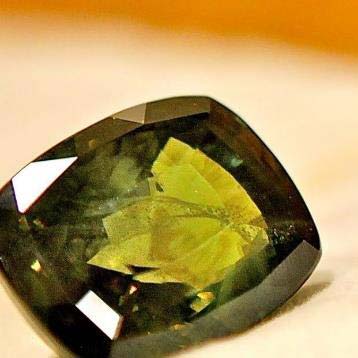
7. Naleem Alexandrite
Weighing 112 carats, it is claimed to be the largest alexandrite in the world. Alexandrite is famous for appearing reddish under incident light and green in normal sunlight. Sold by philanthropic Al Haj Naleem from Beruwala, Sri Lanka, this precious stone is valued at over $100 million.
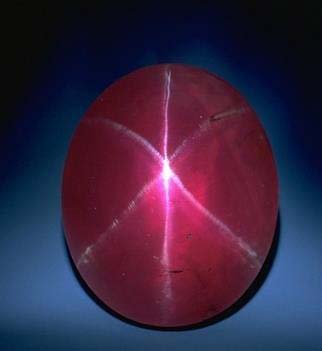
8. Rosser Reeves Star Ruby
One of the world's largest and finest star rubies, combining excellent color, good transparency, and a well-defined star. This 138-carat exquisite stone is an oval cabochon cut. Donated by Mr. and Mrs. Rosser Reeves in 1965, it is now displayed at the Smithsonian Institution's National Museum of Natural History.
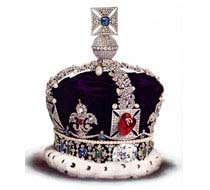
9. Black Prince Ruby / Spinel
A 170-carat red spinel with a unique history dating back to 1367. Though originally thought to be a ruby, modern technology revealed it to be a Red Spinel. It is believed to have originated from Sri Lanka or Tajikistan. It forms the centerpiece of the Imperial State Crown of Great Britain and is exhibited in the Tower of London.

10. British Royal Jewel
A 105-carat Chrysoberyl cat's eye of exceptional quality. Purchased around 1900 for British Royalty, this gem was cherished by four British monarchs: Edward VII, George V, Edward VIII, and Queen Elizabeth II.
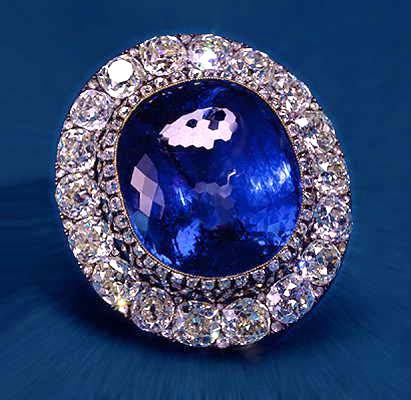
11. Empress Maria's Sapphire
A splendid oval-cut 260.37-carat blue sapphire purchased by Russian Emperor Alexander II in 1862 and presented to his wife, Empress Maria. Known for its perfect color, cut, size, and clarity, it now resides in the State Diamond Fund of the Russian Federation.
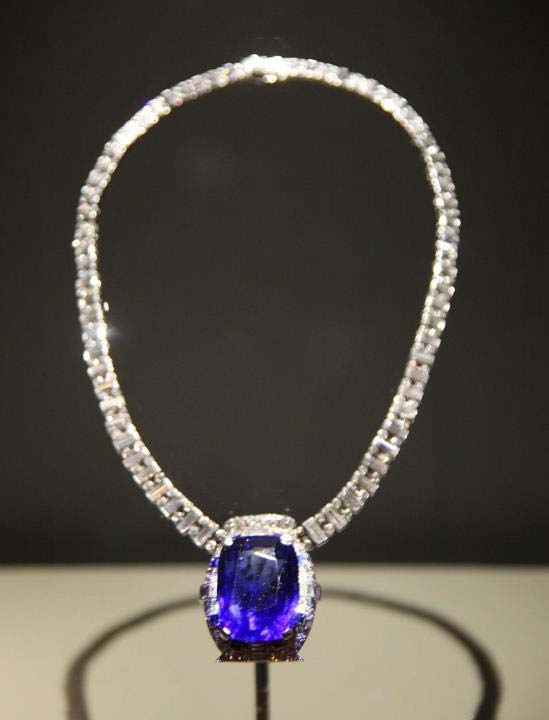
12. Bismarck Sapphire
A 98.6-carat cornflower-blue cushion-cut sapphire discovered in Sri Lanka in 1920. Gifted to Countess Mona von Bismarck in 1926, she later donated it to the Smithsonian National Museum of Natural History in 1967. It features a platinum chain surrounded by diamonds and smaller sapphires.

13. The Eye of the Lion
A priceless cabochon Chrysoberyl cat's eye weighing a massive 465 carats. Discovered in Ratnapura in the late 1800s, it belonged to a family descended from King Rajasinghe I. The stone features a stunning reflection reminiscent of a lion's eye, representing bravery.
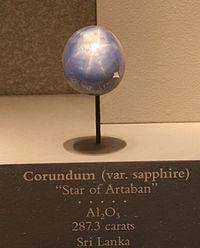
14. The Star of Artaban
A milky blue 287-carat cabochon-cut star sapphire of Sri Lankan origin. Named after Henry van Dyke's tale 'The Other Wise Man', this magnificent piece was anonymously donated to the Smithsonian National Museum of Natural History.

15. Star of Bombay
A 182-carat violet-blue star sapphire discovered in Sri Lanka. Given as a gift to Mary Pickford by Douglas Fairbanks in the 1920s. Like the Star of India, it carries the name of an Indian city due to British colonial history, but originated in Sri Lanka. It resides in the Smithsonian.

16. Midnight Star Sapphire
A 116.75-carat deep purple-violet star sapphire discovered in Sri Lanka in the 19th century. Sold to J.P. Morgan and then donated to the American Museum of Natural History, its perfect asterism demonstrates the high skill of its original Sri Lankan cutter.
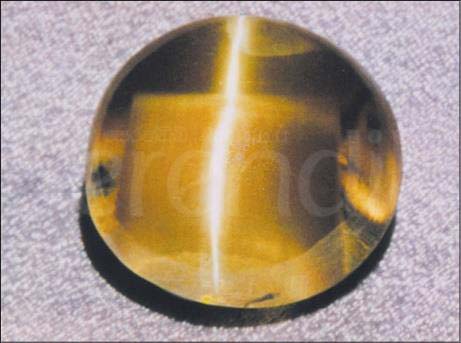
17. Ray of Treasure
A 105-carat Chrysoberyl cat's eye discovered in Sri Lanka. A fine example of the desirable milk-and-honey effect with excellent transparency and a well-defined silver ray. Currently held by the National Gem and Jewelry Authority (NGJA) in Sri Lanka.
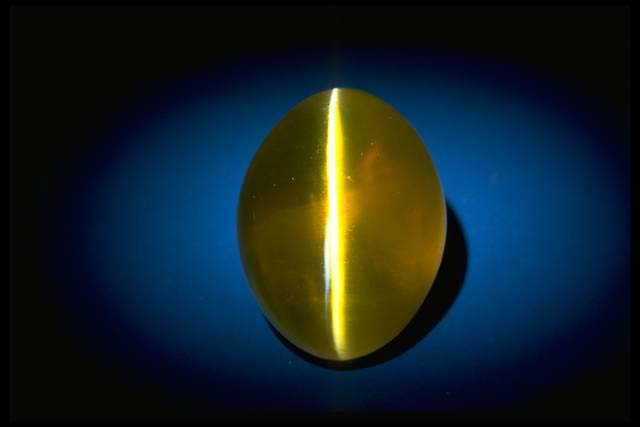
18. Maharani Cat's Eye
A 58.19-carat chrysoberyl cat's eye known for its sharp honey-colored band of light. The optical phenomenon of chatoyancy is prominently displayed, making it one of the finest of its kind. Currently displayed at the Smithsonian.
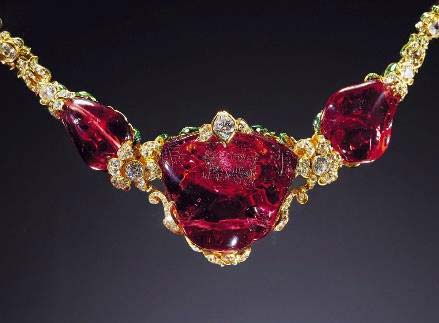
19. Timur Ruby / Spinel
A 361-carat unfaceted red spinel originally owned by Mogul Emperors. Presented to Queen Victoria in 1851 and set in a necklace, it now forms part of the crown jewels of Great Britain.
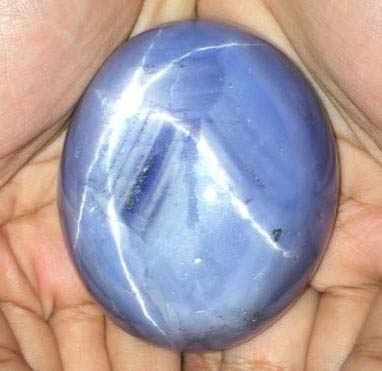
20. Star of Adam
The largest blue star sapphire in the world, weighing an incredible 1404.49 carats (nearly 280 grams). Found in Ratnapura and named after the Islamic belief that Adam was placed on Adams Peak in Sri Lanka. It is valued at over $100 million.
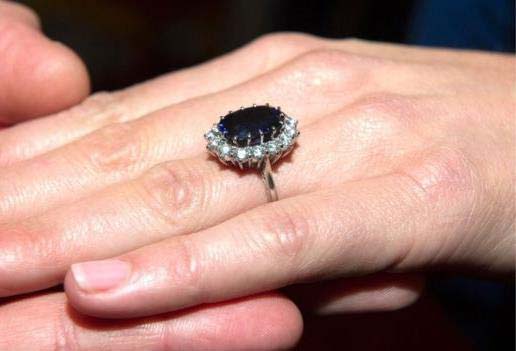
21. Princess Diana's Engagement Ring
A 12-carat oval-shaped Royal Blue Sri Lankan sapphire surrounded by 14 solitary diamonds in white gold. Given to Princess Diana by Prince Charles in 1981, and now worn by Kate Middleton, Princess of Wales.